
2026-10-18 ·
Roof Inspection Tips After Hail and Windstorms in Eau Claire, WI
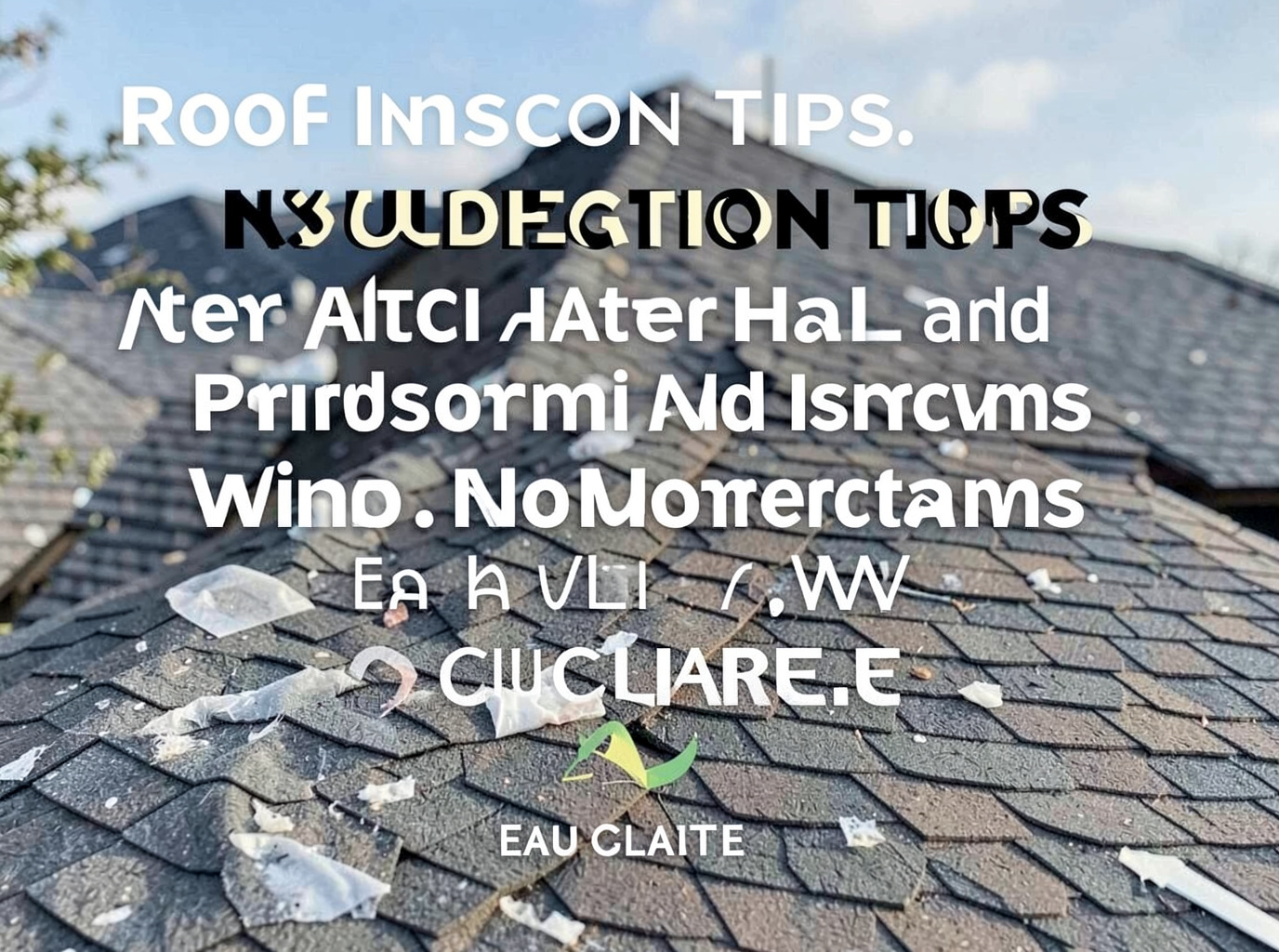
After hail or windstorms hit Eau Claire, begin a roof inspection within 48 hours by scanning for granule loss, cracked shingles, and lifted edges from ground level and attic access points. Focus first on south-facing slopes where hail often concentrates and on ridges exposed to gusts along the Chippewa River corridor. Older homes in Downtown Eau Claire and the West Side typically feature asphalt shingles 15–25 years old that show impact craters more readily than newer installations on the East Side.
Spotting Hail Damage on Shingle Roofs
Hail in Eau Claire’s humid continental climate often arrives with warm-season thunderstorms and leaves distinct circular dents in asphalt shingles. Walk the perimeter and use binoculars to note areas where granules have loosened, exposing the mat beneath. On homes near the University of Wisconsin-Eau Claire, check valleys and penetrations first because runoff concentrates there and accelerates wear. Document any soft spots by pressing gently with a gloved hand; these indicate underlayment damage even when the surface looks intact. Compare the roof to neighboring properties on the same block to isolate storm-specific marks from normal aging. If granule piles appear in gutters after the next rain, schedule a closer look from a ladder rather than climbing the slope yourself.
Evaluating Wind-Related Issues
Wind gusts along the Chippewa River and open West Side lots commonly lift shingles at the corners and eaves. Look for nails that have pulled through the shingle or tabs that now stand vertical after a storm passes. In neighborhoods such as the East Side and Putnam Heights, older ridge vents can separate when uplift occurs, allowing water entry during the next rainfall. Check flashing around chimneys and skylights for bends or gaps created by twisting forces. Attic inspections reveal daylight through decking seams or displaced insulation that points to wind-driven moisture. Record any new creaking sounds during moderate breezes, as these often trace to loosened decking screws on homes built before 1990.
Accounting for Eau Claire Weather Patterns
Eau Claire’s cold winters followed by warm summers create repeated expansion and contraction cycles that weaken hail- or wind-damaged areas faster than in milder regions. After a summer storm, watch for ice dam formation the following winter along the same slopes that took impact, because compromised shingles allow meltwater to back up under the remaining layers. Properties in Chippewa Falls and nearby La Crosse experience similar patterns, yet the river valley in Eau Claire adds extra humidity that promotes algae growth on already stressed surfaces. Inspect again in early spring once snow melts to catch any new leaks that developed over the cold months. Keep records of each storm date so patterns become clear when comparing multiple events across a single season.
When Professional Assessment Becomes Necessary
Homeowners should contact a roofing contractor once more than five shingles show visible damage or when attic insulation feels damp after rain. A wind damage roof repair specialist can evaluate underlayment and decking without invasive cuts. Residents in Chippewa Falls, WI often face the same storm tracks, making shared regional experience valuable during busy seasons. Combine the visual check with a review of the related article on Ice Dams and Winter Roof Leaks to understand how summer damage interacts with later freeze-thaw cycles. This approach keeps inspections focused on actual conditions rather than assumptions.